
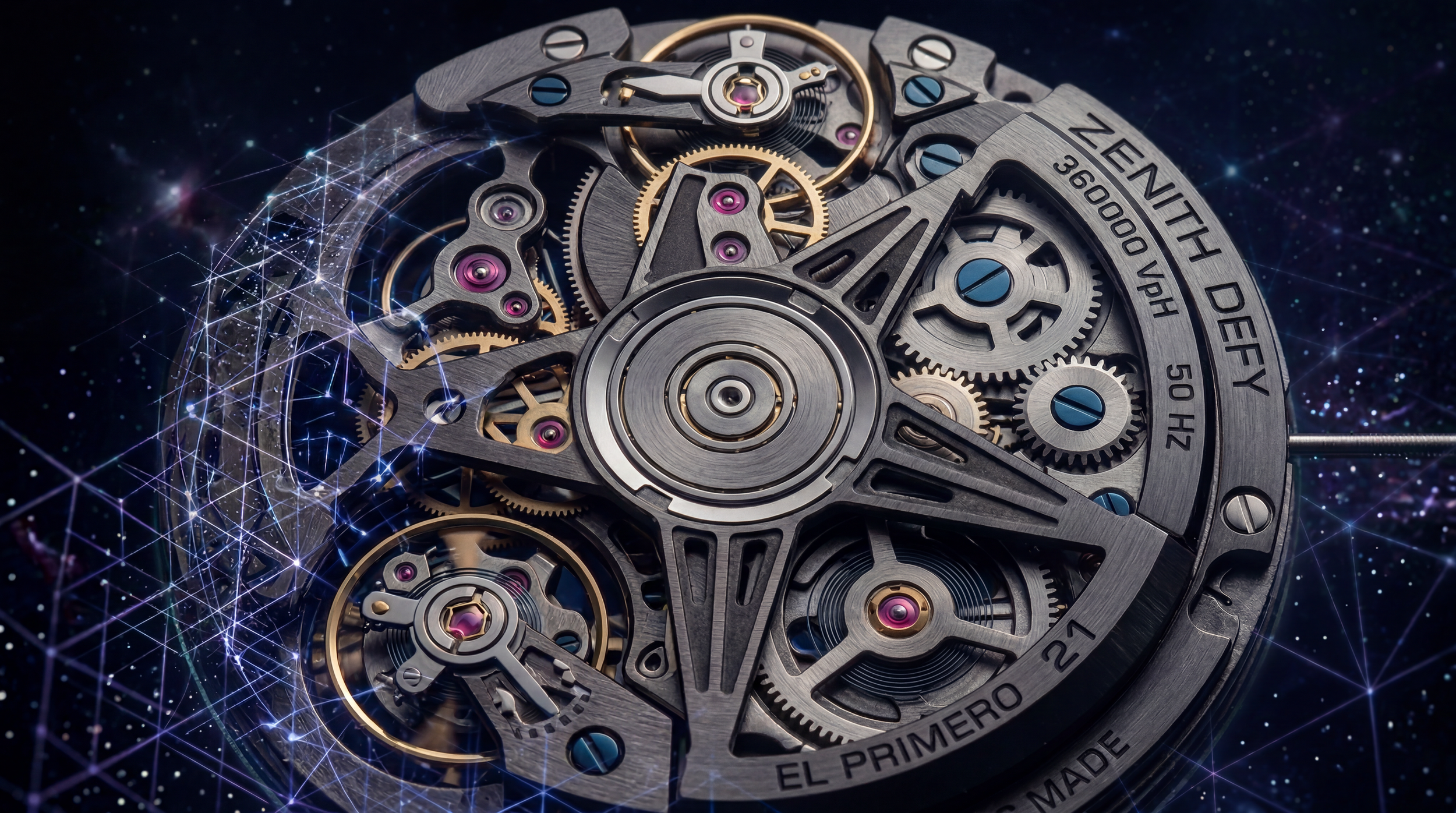
The Movement That Changed How I Think About Time
I didn’t set out to rethink time.
I set out to buy a watch.
For my 50th birthday, I wanted something meaningful. Not just a timepiece, but a story I could wear — something rooted in craftsmanship, resilience, and precision. That search led me, as it does for many enthusiasts, to Zenith.
Their story is one of those rare moments in horology where history and defiance meet.
In the 1970s, during the quartz crisis — when cheap, battery-powered watches threatened to wipe out mechanical watchmaking — Zenith made a decision that, at the time, must have seemed almost irrational. Rather than abandon their mechanical movements, a single watchmaker, Charles Vermot, quietly hid the tools, plans, and components needed to produce the El Primero chronograph.
He locked them away in an attic.
Years later, when mechanical watches found their way back into relevance, those hidden tools allowed Zenith to restart production. And in one of the more fascinating twists of horological history, that same movement would go on to power the early automatic versions of the Rolex Daytona.
Rolex, of course, refined and modified it — reducing its frequency from Zenith’s original 36,000 vibrations per hour to 28,800. A practical decision. Less wear, longer service intervals. Controlled performance.
Sensible.
But it was Zenith’s original approach that stayed with me.
Because 36,000 vibrations per hour is not just a specification. It’s a statement.
It means the watch is dividing time into ten discrete steps per second.
Not flowing.
Stepping.
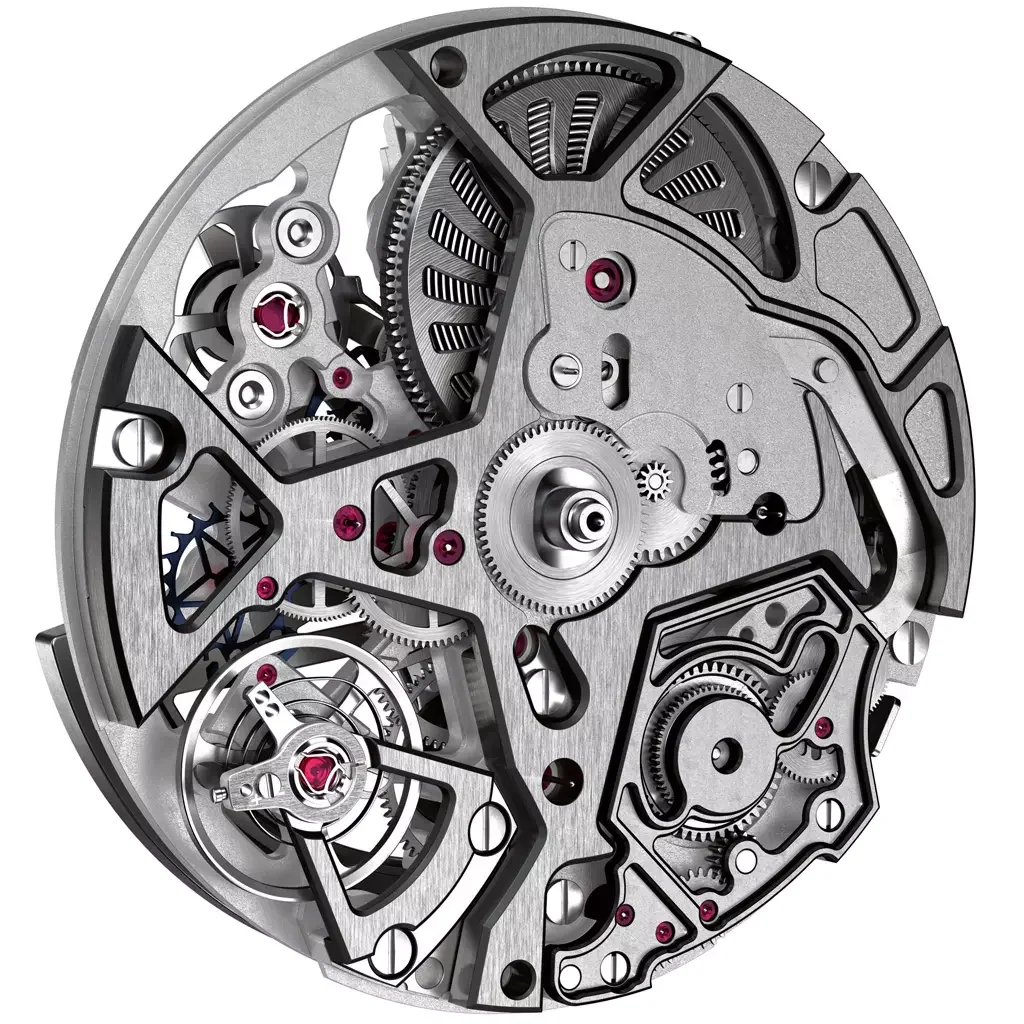
“One man refused to let it die — and hid the future of mechanical time in an attic.”
A Watch That Doesn’t Flow
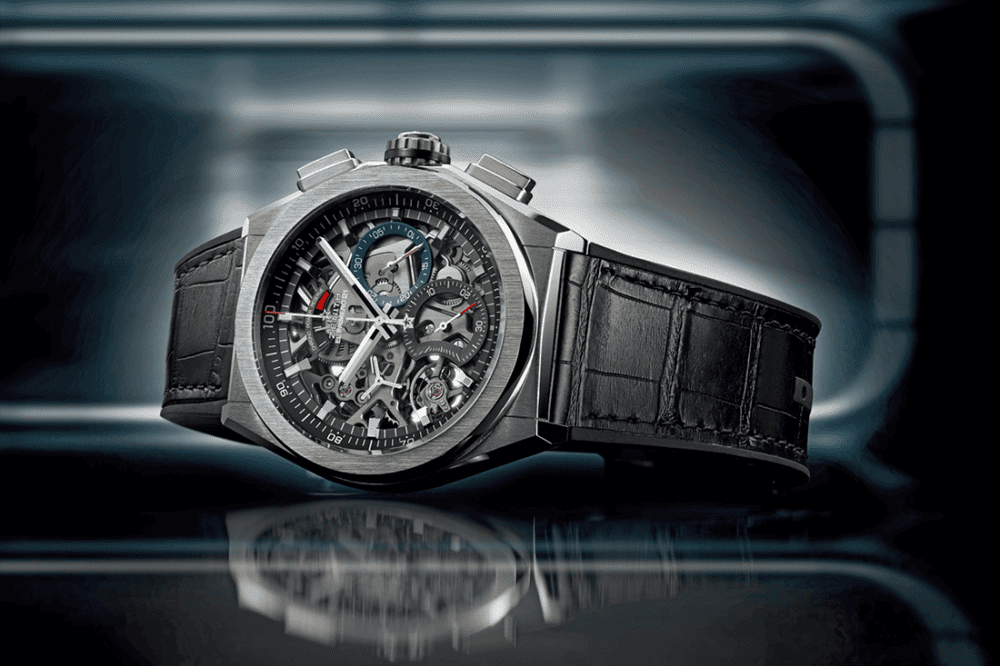
When I eventually chose the Zenith Defy 21, it wasn’t just because of its design or its heritage.
It was the movement.
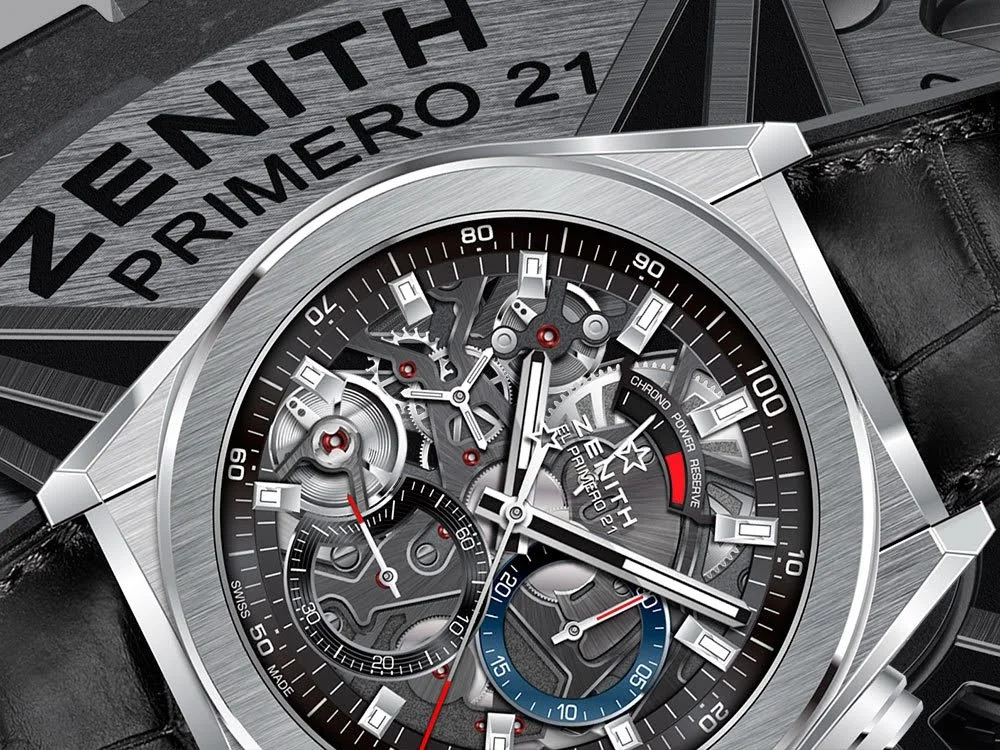
The Defy 21 takes that idea even further — its chronograph hand runs at a rate that allows measurement down to 1/100th of a second. The hand doesn’t sweep in the traditional sense. It races.
And yet, beneath that apparent fluidity, something very different is happening.
Every movement of that hand is built from discrete mechanical events — controlled releases of energy, regulated oscillations, precise intervals. The smoothness is an illusion created by speed.
The faster the steps, the more continuous it appears.
But it never actually flows.
The Thought That Wouldn’t Leave
That was the moment something shifted for me.
Because if time truly flowed — in a literal, physical sense — then a mechanical watch shouldn’t work at all.
A wound spring would release its energy instantly. There would be nothing to regulate it. No pacing mechanism. No structure to hold it in place.
Instead, every mechanical watch ever made relies on the opposite assumption:
That energy must be released in controlled, discrete intervals.
That time, as experienced within the mechanism, is not a continuous stream — but something that must be metered.
Measured.
Regulated.
And that raised a question I couldn’t ignore:
If every accurate timekeeping device depends on discrete regulation…
why do we assume time itself flows continuously?
From Escapement to Universe
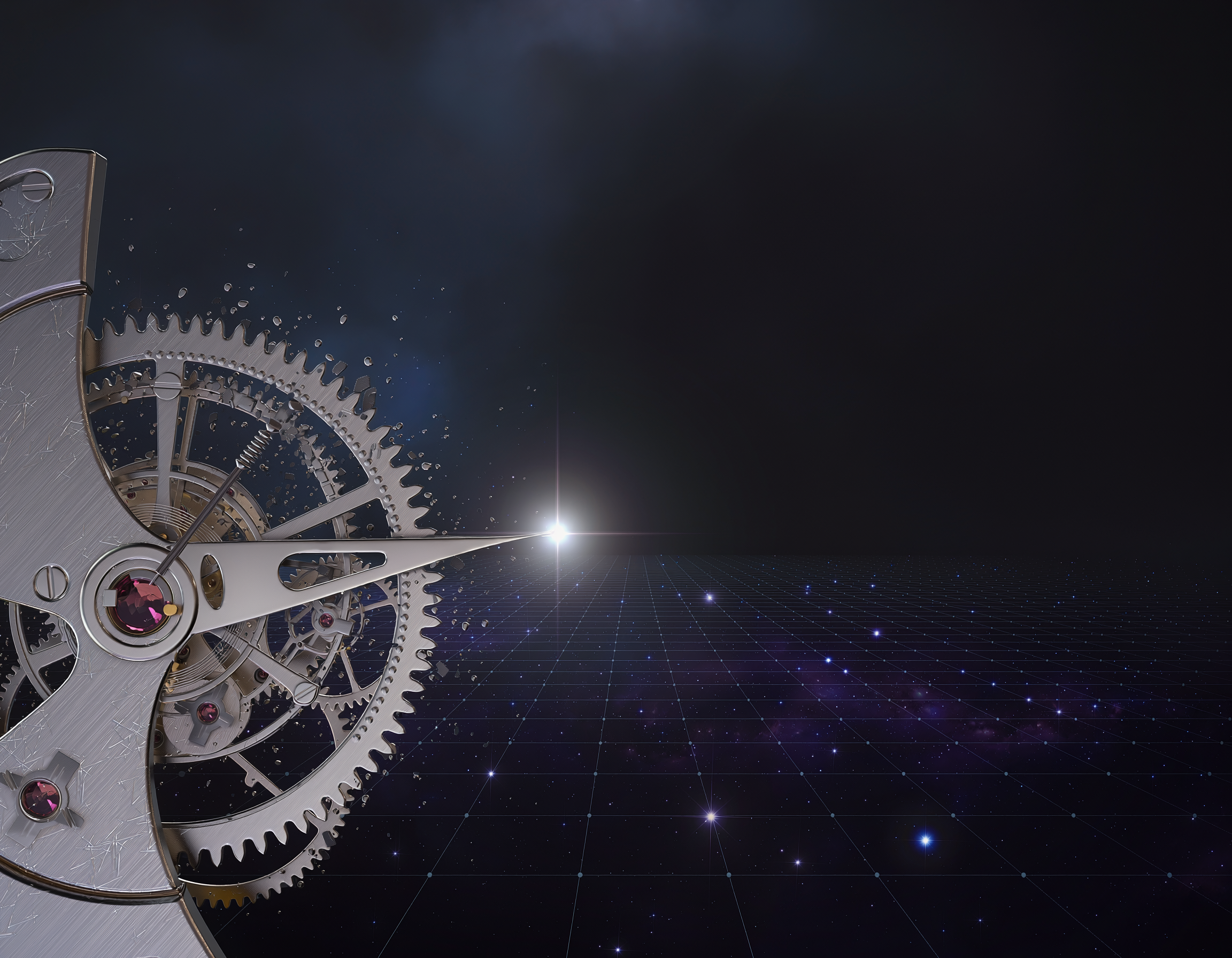
In a watch, the escapement prevents chaos.
It takes stored energy and releases it in steps — not all at once, but in a controlled sequence that allows the system to function.
Without it, the watch fails.
That simple principle led me to a broader line of thought.
What if the universe operates in the same way?
What if reality itself is not continuously unfolding, but is instead being renewed — moment by moment — in discrete intervals?
Not flowing through time…
but refreshing within it.
“That was the moment I stopped thinking about how we measure time…
and started asking what time actually is.”
That idea became the starting point for what I now call Constant Time Theory (CTT).
A Different Way to See the Present
CTT doesn’t begin with equations. It begins with an observation:
Everything we build to measure time relies on regulation.
Nothing we have ever created assumes true continuity.
And yet, we instinctively describe time as something that “passes” or “flows.”
The watch on my wrist suggested something else.
That what we experience as flow may simply be the result of extremely high-frequency renewal — just as the smooth sweep of a hand is the result of rapid, discrete steps.
If that’s true, then the present moment is not an infinitesimal point slipping into the past.
It is an active interval.
A structured, renewing condition.
And the question is no longer “Where does time go?”
but “How is it maintained?”
What Endures
That single purchase — a watch chosen for its history — became something else entirely.
A doorway into a deeper question.
Not about watches.
Not even about physics, at first.
But about something far more fundamental:
What if time doesn’t pass at all?
What if reality quietly refreshes…
and what endures is simply what remains?
Why this matters
“Because if time doesn’t flow, then everything we assume about past, present, and future begins to change.”